
1. Can Americans and Canadians Legally Own Property in Mexico?


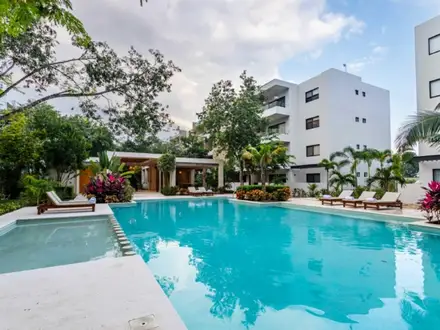
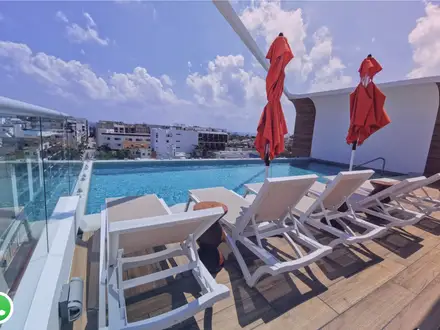
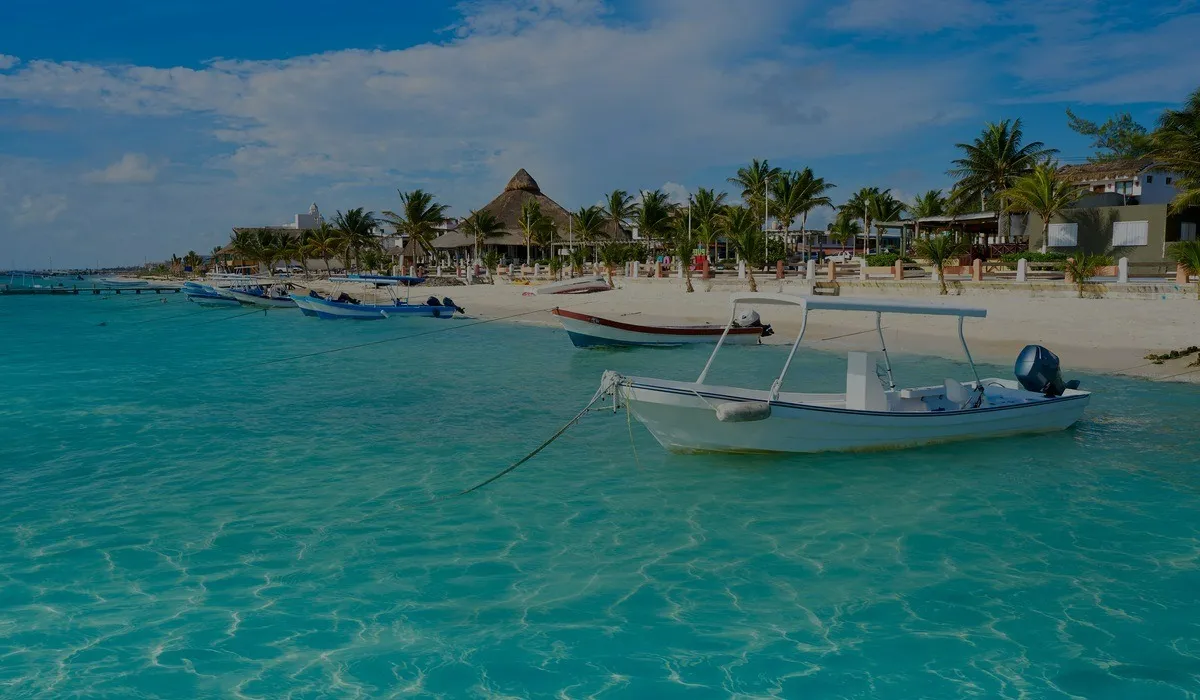
Yes. Americans and Canadians can legally own property anywhere in Mexico, including beachfront condos in Playa del Carmen and jungle lots outside Tulum. The confusion usually comes from one specific rule in the Mexican Constitution that catches first-time buyers off guard: foreigners cannot hold direct title to land within what's called the restricted zone. That doesn't mean you can't own it — it means you own it a slightly different way.
Where the Restricted Zone Rule Comes From
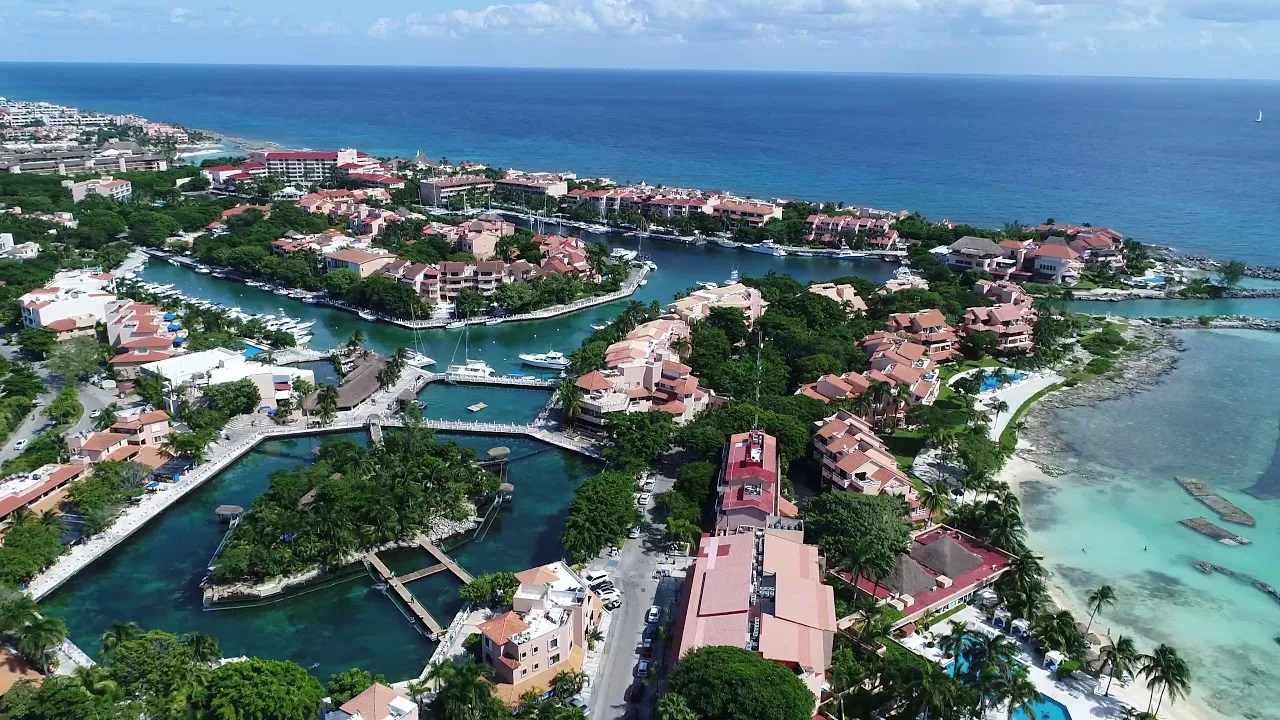
Article 27 of the Mexican Constitution reserves direct land ownership within 50 kilometers (about 31 miles) of any coastline, and 100 kilometers (about 62 miles) of any international border, for Mexican nationals and Mexican companies. That single rule covers essentially all of the Riviera Maya — Cancún, Playa del Carmen, Tulum, Akumal, Puerto Aventuras, Bacalar, all of it.
The rule dates back to the 1930s, when the government wanted to prevent foreign nationals from controlling land along politically sensitive coasts and borders. It hasn't been repealed, but it has been worked around — legally, transparently, and for decades — through a structure called the fideicomiso.
How Foreigners Actually Own Restricted Zone Property
A fideicomiso is a bank trust. A Mexican bank holds the legal title to the property, and you, the foreign buyer, are named as the beneficiary with the right to use, rent, renovate, sell, mortgage, and pass on the property to your heirs. In every practical sense, you own it. The bank has no say in what you do with the property — it holds paper title purely to satisfy the constitutional requirement.
We cover exactly how the trust works, what it costs, and who the parties are in [The Fideicomiso Explained](#the-fideicomiso-explained-how-the-bank-trust-works) — but the short version is: it's a well-established, bank-regulated structure that has protected foreign buyers since 1973, when the law was first amended to allow it.
What If the Property Is Outside the Restricted Zone?
Plenty of Mexico sits outside the 50km/100km lines. There, foreigners can hold direct title (escritura) in their own name, exactly as a Mexican national would, with no trust required. Almost nothing in the Riviera Maya qualifies for this, since the whole corridor hugs the coast, but it's worth knowing the distinction exists.
Can You Use a Corporation Instead?
Yes, if the property is for commercial use — a hotel, a rental portfolio, a business premises — a Mexican corporation can hold direct title even inside the restricted zone, because Mexican corporations (even those with 100% foreign ownership) are treated differently from foreign individuals under Article 27. This route brings its own tax and compliance obligations, so it tends to make sense for larger investors rather than someone buying a single condo. We go deeper on this trade-off in a dedicated article.
Rights You Have Either Way
Ownership structure | Direct title (escritura) | Fideicomiso (bank trust) |
Where it applies | Outside restricted zone | Inside restricted zone (coast/border) |
Who holds legal title | You, personally | A Mexican bank, as trustee |
Can you sell it? | Yes | Yes |
Can you rent it out? | Yes | Yes |
Can you will it to heirs? | Yes | Yes, via named substitute beneficiaries |
Renewal required? | No | Every 50 years |
Typical setup cost | Notary/registry fees only | $2,000-$3,000 USD trust setup, plus notary/registry fees |
Ongoing cost | Predial (property tax) only | Predial plus $500-$1,000 USD/year trustee fee |
A Note on Safety
Some buyers worry that a "trust" sounds less secure than owning outright. In practice, the fideicomiso system has operated without major incident for over 50 years, is regulated by Mexico's banking commission, and the property itself is not an asset of the bank — if the trustee bank were ever to fail or be acquired, the trust and your beneficiary rights transfer to another authorized institution. Your ownership doesn't evaporate with the bank.
FAQ
Q: Do I need to be a resident of Mexico to buy property here?
A: No. Tourist-visa visitors, temporary residents, and permanent residents can all buy property. Immigration status and property ownership are handled by two entirely separate government processes.
Q: Is a fideicomiso the same as a timeshare?
A: No, and this mix-up causes real confusion. A fideicomiso gives you full ownership rights to a specific property, held in trust purely for legal-technical reasons. A timeshare gives you the right to use a unit for a set period each year and typically does not convey ownership at all.
Q: What happens after 50 years?
A: The trust is renewed for another 50-year term. Renewal is routine paperwork through the trustee bank, not a re-negotiation of your ownership.
Q: Can I get a mortgage on a fideicomiso property?
A: Yes, both Mexican bank financing and a small number of US/Canadian cross-border lenders will lend against fideicomiso-held property, though terms are stricter than what you'd see at home.
Talk to Someone Who Handles This Every Day
Buying through a fideicomiso is routine, but it involves real legal steps — choosing a trustee bank, applying for the trust permit, and reviewing the trust deed before you sign. Top Listings Riviera Maya works alongside notarios and immigration counsel on every purchase we handle, so you're not learning this process for the first time on your own. Call us at +52 998 242 8475 to talk through your specific situation.
This article is general information to help you understand buying property in Mexico — not legal, tax or financial advice. Rules change; always confirm the details for your situation with a Mexican notary, lawyer or accountant. Robin can introduce you to trusted professionals.