Best Neighborhoods to Buy in Playa del Carmen


Playa del Carmen isn't one market — it's a string of very different neighborhoods stitched together along the coast, and picking the wrong one is the single most common regret we hear from buyers a year after closing. Whether you want a rental machine, a quiet family base, or a walkable retirement condo changes the answer completely. Here's an honest look at where things actually stand in 2026.
The main areas, and who they actually suit
Playacar
Playacar is the gated, golf-course community south of the ferry pier, with mature landscaping, a private beach club feel, and some of the highest per-square-meter prices in the city. It suits buyers who want security, quiet streets, and proximity to the beach without being in the middle of downtown noise. The trade-off is that it feels self-contained — you'll be driving or taxiing into Centro for most restaurants and nightlife.
Centro
Centro is enormous and genuinely varies block by block. The blocks around the baseball stadium and the streets north of it have become one of the more sought-after pockets — tree-lined, café-heavy, closer to a residential Mexican neighborhood than a tourist strip. Closer to Fifth Avenue, you're paying for walkability and rental demand, but also absorbing more tourist foot traffic and noise.
Zazil-Ha and the Coco Beach corridor
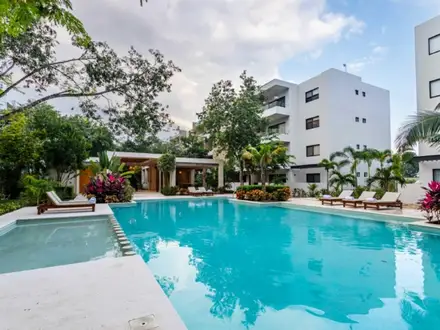
North of Constituyentes, Zazil-Ha and Coco Beach have become the newer-condo, beach-adjacent zone that a lot of 2026 buyers gravitate toward — modern buildings, better construction standards than some older Centro stock, and a more residential feel while still being a short walk or bike ride to sand.
Region 15, Ejidal, and the inland grid
These are the neighborhoods where actual local families live, and where your dollar stretches furthest. Prices per square meter run well below beachfront zones, but you give up walking distance to the water and take on more variability in street infrastructure and building quality. This is realistic territory for a primary residence on a budget, less so for a short-term rental play.
Matching the neighborhood to your goal
Buying "the best neighborhood" is the wrong frame. Buying the neighborhood that matches whether you're living here, renting it, splitting time, or holding for appreciation is the right one.
Neighborhood | Typical buyer profile | Trade-off to accept |
Playacar | Retirees, security-focused buyers | Less walkable to Centro life |
Centro (stadium area) | Buyers wanting local, walkable charm | Older buildings, mixed street quality |
Centro (near 5th Ave) | Short-term rental investors | Noise, tourist density |
Zazil-Ha / Coco Beach | Buyers wanting new construction near the beach | Higher entry price than inland areas |
Region 15 / Ejidal | Budget-conscious residents | Further from beach, less rental demand |
A buyer we've worked with wanted a rental condo and a place to stay four months a year. They initially looked only at Fifth Avenue-adjacent listings, assuming proximity to the tourist strip guaranteed occupancy — but after comparing actual booking data, a quieter Coco Beach unit with better construction and lower HOA fees outperformed the noisier, older Centro option on net return.
What actually moves the numbers
- Building age and construction quality matter more than street address alone — ask for the actual maintenance history, not just a sales brochure.
- HOA (homeowners association) fees vary widely between older Centro buildings and newer developments; get the last 12 months of statements, not a verbal estimate.
- Short-term rental occupancy across the city runs around 50% on average — treat any pitch promising more as optimistic, not typical.
- Beachfront and near-beachfront properties in Zazil-Ha, Coco Beach, and Playacar carry a real price premium tied to genuine scarcity, not just marketing.
Don't skip the building-level questions
Neighborhood is only half the equation — two condos on the same block in Zazil-Ha can have very different ownership experiences depending on the building itself. Before narrowing your search to a neighborhood, get comfortable asking:
- How many units in the building are actively short-term rented versus owner-occupied? A building that's almost entirely nightly rentals will feel and sound different than one with a stable resident base.
- What's the building's reserve fund situation, and has it ever needed a special assessment for major repairs?
- Is the developer or HOA administration still involved, or has management transitioned to an independent, owner-elected board?
Financing also shapes which neighborhoods are realistic. Most foreign buyers here pay cash or arrange financing through their home country, since Mexican mortgage products for non-residents remain limited and comparatively expensive; factor this into how much flexibility you actually have on closing timelines when comparing offers across neighborhoods.
FAQ
Q: Is Centro too noisy to live in full time?
A: It depends entirely on which block. The stadium-area streets and the residential grid a few blocks back from Fifth Avenue are calm; anything within a block or two of the pedestrian strip will have tourist noise well into the night.
Q: Which neighborhood holds its value best?
A: Playacar and the newer Coco Beach/Zazil-Ha developments have historically been the steadiest, largely because buildable beachfront and near-beachfront land is genuinely limited.
Q: Should I buy where I'd want to live, or where rental demand is highest?
A: If you'll use the property yourself more than a few weeks a year, weight your own comfort more heavily — a slightly lower rental yield is often worth it for a place you actually enjoy visiting.
Every one of these neighborhoods has a different answer depending on your budget, your plans for the property, and how much beach-walk distance actually matters to you day to day. Top Listings Riviera Maya walks buyers through each area in person before they commit — call +44 7513 075054 to set up a neighborhood-by-neighborhood tour on your next trip.
This article is general information to help you understand buying property in Mexico — not legal, tax or financial advice. Rules change; always confirm the details for your situation with a Mexican notary, lawyer or accountant. Robin can introduce you to trusted professionals.