

Buying Beachfront: The Federal Maritime Zone (ZOFEMAT) Explained

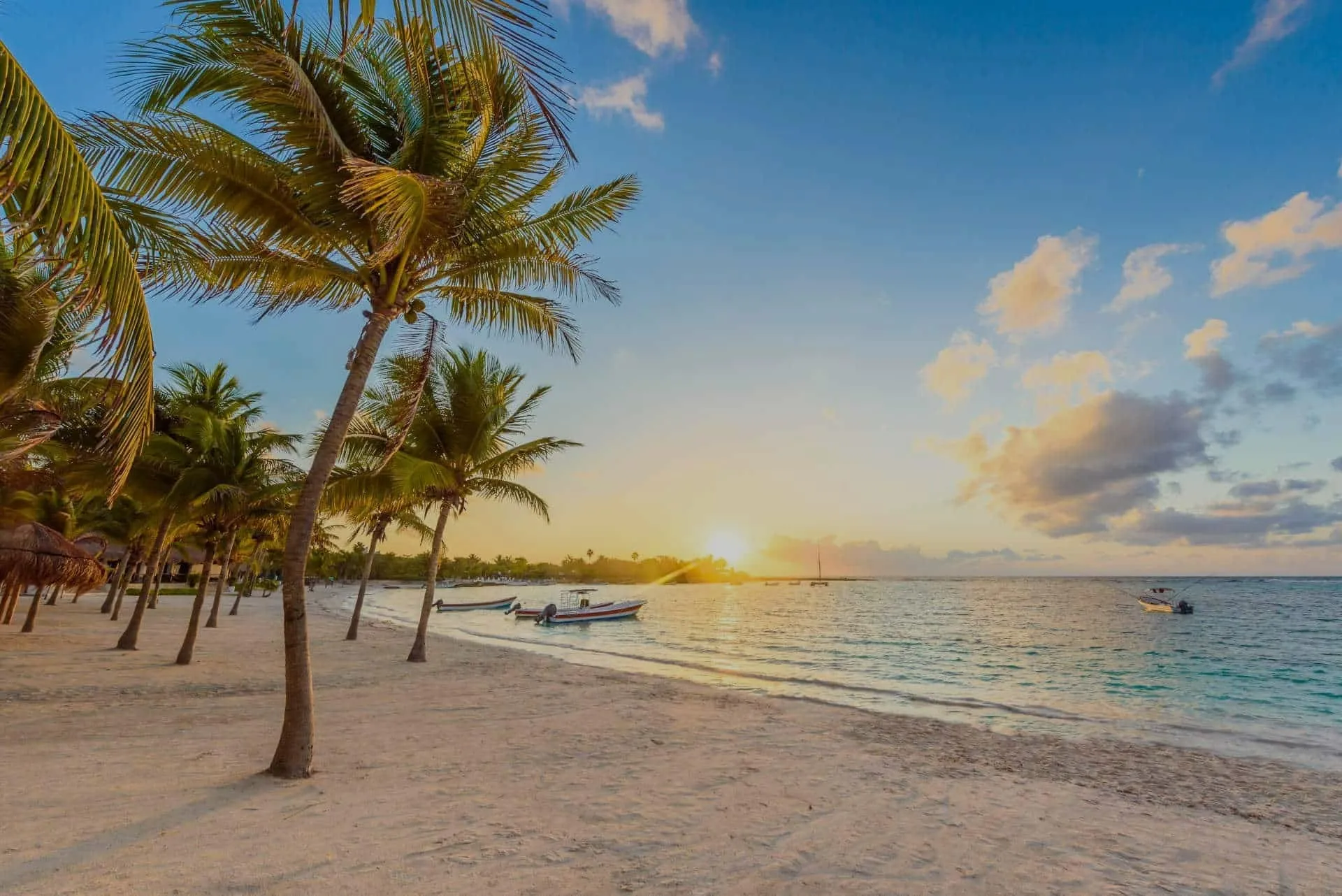
Beachfront property is the single most sought-after category of real estate in the Riviera Maya, and it's also the category with the most misunderstood legal wrinkle: the federal maritime-terrestrial zone, known as ZOFEMAT. Before you fall in love with a listing because of "direct beach access," it's worth understanding exactly what that phrase does and doesn't mean.
What ZOFEMAT Actually Is
ZOFEMAT (Zona Federal Marítimo Terrestre) is a strip of land, defined by federal law as twenty meters wide, measured horizontally from the line of maximum high tide inland. This strip, along with any "reclaimed land" gained from the sea (terrenos ganados al mar), belongs to the Mexican nation, not to any private owner, no matter how close your property line runs to the water.
This zone exists as public federal property administered through Mexico's environmental authority, SEMARNAT, precisely because beaches and the immediate coastal strip are treated as a national resource meant to remain accessible, not something that can be privately owned and fenced off.
Why This Surprises So Many Buyers
Real estate marketing in beach destinations understandably emphasizes "beachfront" and "steps to the sand," and it's not inaccurate, your property genuinely can sit directly adjacent to the beach. What buyers don't always grasp is that the actual sand and the twenty-meter strip closest to the water are never part of what you're buying, no matter how the property is marketed or how the deed describes the lot's dimensions.
Your private property line typically ends where the ZOFEMAT begins. You own right up to that boundary, and depending on the specific concession and local arrangement, you may have practical, everyday use of the beach in front of your home, but you don't hold private title to it.
Getting a Concession for Private Use
If a property owner, hotel, or beach club wants to build structures on the ZOFEMAT itself, such as a beach club platform, a palapa, sun loungers, or a private pool area extending toward the water, they need a formal concession title issued by SEMARNAT. This is a use permit, not a transfer of ownership; the land remains federal property, but the concession holder gains defined rights to use it for a specific purpose and duration.
The Three Recognized Uses Under a ZOFEMAT Concession
- Protection or ornamentation, generally tied to environmental preservation activities.
- Productive use, such as fishing or certain agricultural activities in coastal zones.
- General use, which permits a broader range of economic activity, including construction of permitted tourism-related structures.
If a property listing advertises a private beach club, deck, or structure built on the sand itself, ask specifically whether there's a valid, current ZOFEMAT concession behind it. Structures without one can be subject to removal orders from federal authorities.
What This Means Practically for a Buyer
A beachfront condo or villa purchase is still a completely legitimate and desirable investment; the ZOFEMAT rule doesn't reduce your enjoyment of the location in any meaningful daily sense. What it does mean is that you should understand your property's actual legal boundary, verify whether any beachfront amenities associated with the property (like a shared beach club) operate under a valid concession, and not assume that "beachfront" implies private ownership all the way to the waterline, because under Mexican law, it never does.
A Regulatory Detail Worth Watching
There has been public discussion in recent legislative sessions about potentially reducing the ZOFEMAT's standard width from twenty meters to ten meters in certain contexts. As of now, twenty meters remains the standard federal rule, but coastal property buyers and owners should treat this as an area of law that can shift over time, and it's worth asking a local attorney or your notario whether any state or municipal-level changes affect your specific stretch of coastline.
FAQ
Q: Can I ever own the beach itself if my property is beachfront?
A: No. The federal maritime-terrestrial zone is national property under Article 27 of the Constitution and can't be privately owned by anyone, Mexican citizen or foreigner.
Q: Does owning beachfront property give me any special rights to the beach in front of my home?
A: You generally have practical proximity and access, and in some cases a concession may apply to specific structures, but you don't hold exclusive private rights to exclude the general public from the beach itself.
Q: Who enforces ZOFEMAT rules?
A: SEMARNAT (Mexico's federal environmental agency) administers the zone, with enforcement support from municipal and federal authorities regarding unpermitted construction or access issues.
Q: Should I be concerned about buying beachfront property given the ZOFEMAT rule?
A: Not if you understand it going in. It's a standard feature of Mexican coastal property law that applies uniformly along the entire coastline, not a red flag specific to any one property.
Understanding ZOFEMAT properly means you can shop for beachfront property with realistic expectations rather than surprises after closing. Top Listings Riviera Maya can walk you through exactly where a property's private boundary sits relative to the beach before you make an offer. Call +44 7513 075054 to discuss any beachfront listing you're considering.
This article is general information to help you understand buying property in Mexico — not legal, tax or financial advice. Rules change; always confirm the details for your situation with a Mexican notary, lawyer or accountant. Robin can introduce you to trusted professionals.





