What Owning a Second Home in the Riviera Maya Actually Looks Like Day to Day

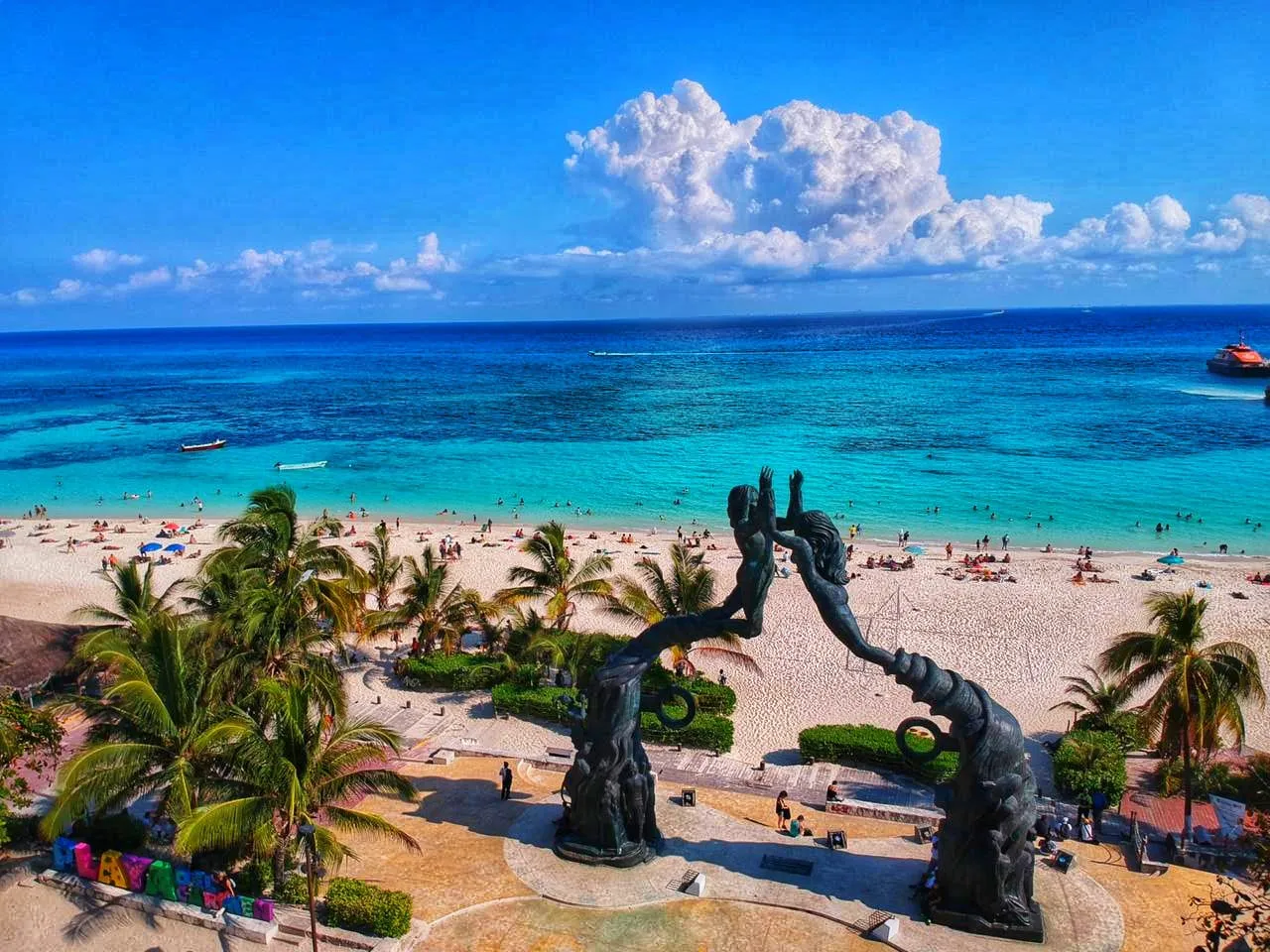
The brochure version of second-home ownership here involves ocean breezes and effortless rental income. The real version involves a property manager you actually trust, a maintenance rhythm shaped by heat and humidity, and a handful of recurring tasks that are easy to underestimate before you own the place. Here's the practical picture.
The maintenance reality of a tropical coastal property
Salt air, humidity, and intense sun accelerate wear on almost everything — metal fixtures corrode faster, air conditioning units work harder and need more frequent servicing, and exterior paint and finishes fade sooner than they would in a drier or cooler climate. Owners who treat maintenance as a light, occasional task tend to be surprised a few years in by how much has quietly deteriorated.
- AC units typically need professional servicing every few months, not once a year, given near-constant use.
- Exterior surfaces facing the ocean benefit from more frequent repainting or sealing than a comparable property inland.
- Pools require more consistent chemical balancing in tropical heat and rain patterns than in drier climates.
The property manager relationship
For any owner not living on-site full time, a property manager is less a convenience and more a necessity. A good manager handles routine maintenance coordination, guest turnover if you rent the property, bill payments, and the first response to anything unexpected — a leak, a storm, a break-in attempt.
Vet a property manager the way you'd vet a business partner, not a vendor — ask for references from other foreign owners, and confirm exactly how often they physically visit the property versus managing it remotely.
Fees typically run as either a flat monthly rate for a non-rented property or a percentage of rental revenue (commonly in the 15-25% range) for actively managed rental units, though exact terms vary by company and scope of service.
Recurring costs and administrative rhythm
Owning here means a recurring cycle of payments and paperwork that's easy to forget about from abroad:
- Predial (annual property tax) — modest by US and Canadian standards, but easy to miss if you're not local and don't have a reminder system.
- HOA fees, if applicable, usually billed monthly or quarterly.
- Fideicomiso (bank trust) annual maintenance fee, since foreign ownership within the restricted coastal zone operates through this trust structure.
- Utility payments — electricity, water, and internet — typically set up on autopay to avoid service interruptions while you're away.
Time on-site versus time away
Most second-home owners here fall somewhere between occasional vacation use and part-time residency, spending anywhere from a few weeks to several months a year on-site. The rhythm that works best usually involves:
1. A clear, written understanding with your property manager about what triggers a call to you versus what they handle independently.
2. A yearly or twice-yearly in-person visit dedicated partly to inspecting the property itself, not just enjoying it.
3. A realistic view of rental income if you plan to rent — treating it as a way to offset costs rather than a guaranteed profit center.
Insurance and paperwork you'll touch every year
Beyond predial and HOA dues, plan on an annual rhythm of renewing homeowner's insurance (ideally reviewed each year rather than auto-renewed blindly, since coverage needs can shift), confirming your fideicomiso trustee bank has your current contact information on file, and keeping copies of all major receipts for any renovation or repair work — useful both for insurance claims and for establishing cost basis if you ever sell. None of this is complicated on its own, but it adds up to a genuine administrative rhythm that's easy to underestimate from a distance.
A realistic scenario
One couple who bought a Playa del Carmen condo primarily as a personal retreat assumed a part-time property manager checking in monthly would be sufficient. After a minor plumbing leak went unnoticed for weeks during their absence, they switched to a manager who visits weekly regardless of rental activity — a small added cost that turned into meaningful peace of mind.
Task | Typical frequency |
AC servicing | Every 3-4 months |
Property manager site visit | Weekly to monthly, depending on plan |
Predial payment | Annually (discounts for early payment in Jan-Feb) |
Fideicomiso renewal fee | Annually |
In-person owner visit | 1-2 times per year, minimum |
FAQ
Q: Can I own and manage the property entirely remotely without ever visiting?
A: It's technically possible with a strong property manager, but most experienced owners recommend at least one annual visit to see the property's actual condition firsthand rather than relying solely on reports.
Q: What's the biggest surprise for new second-home owners?
A: Most commonly, it's the pace of maintenance needs driven by the climate — owners coming from drier or cooler regions often underestimate how much upkeep a coastal tropical property requires.
Q: Is renting out the property while I'm away worth the hassle?
A: For many owners, yes, as a way to offset carrying costs, but it adds wear, turnover management, and complexity — some owners deliberately choose not to rent simply to keep the property lower-maintenance and always ready for their own use.
Understanding the real day-to-day rhythm of ownership before you buy helps set expectations that actually match reality. Top Listings Riviera Maya can connect you with vetted property managers and give you a grounded picture of ongoing costs before you commit; call +44 7513 075054 to talk through what ownership would look like for your specific situation.
This article is general information to help you understand buying property in Mexico — not legal, tax or financial advice. Rules change; always confirm the details for your situation with a Mexican notary, lawyer or accountant. Robin can introduce you to trusted professionals.