
Costa Mujeres: The New Development Corridor North of Cancun

Costa Mujeres is the newest chapter of Cancún's growth story, and 2026 is shaping up to be a milestone year for it — the St. Regis Costa Mujeres opened its doors this year, and the Grand Hyatt Cancun Beach Resort follows in September. For buyers, that's both the appeal and the caveat: this is a corridor still being written, not a finished neighborhood.
Where it is and how it's different
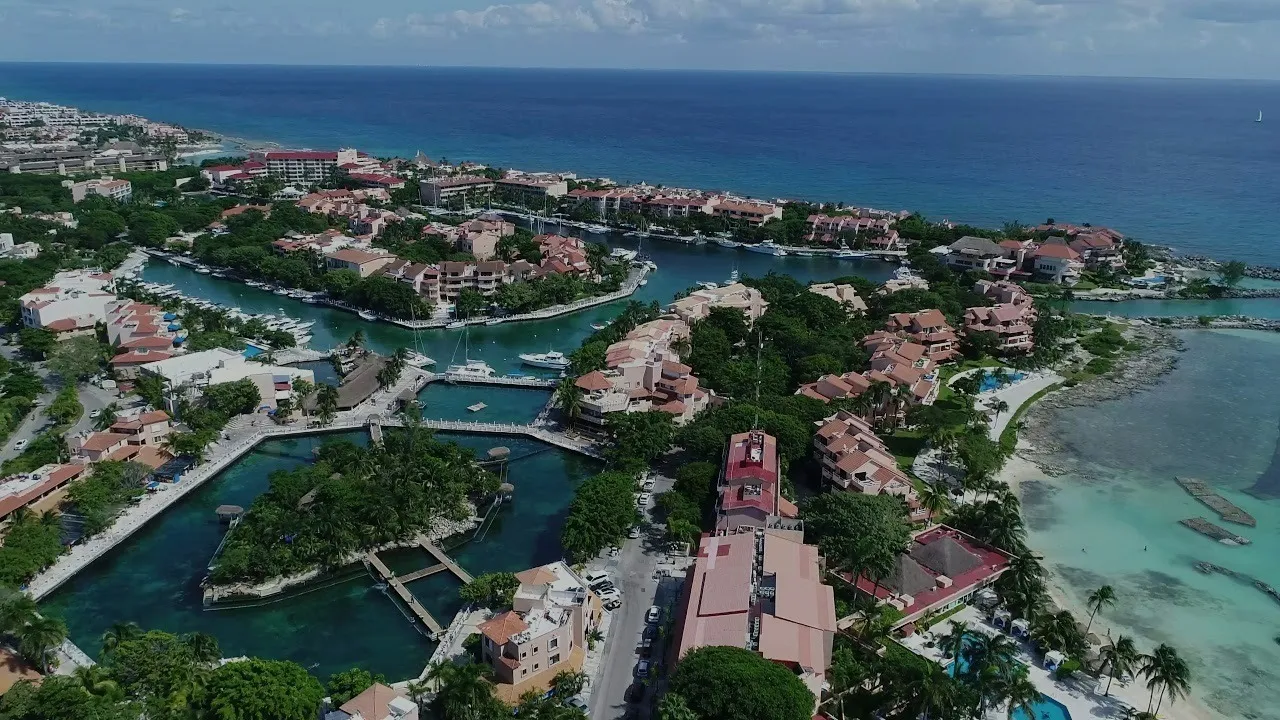
Costa Mujeres refers to the coastal strip north of the Boca de Nizuc bridge, effectively the natural continuation of Cancún's Hotel Zone heading north toward Punta Sam. Unlike the dense, decades-old Hotel Zone, Costa Mujeres was master-planned starting around 2010–2015 with lower density and height limits, more green space, and protected natural areas built into the layout from the start. The beaches here face Isla Mujeres across the channel and tend to be calmer and less crowded than the southern Hotel Zone stretches.
What's driving the interest
- New flagship hotels: the St. Regis (163 rooms, suites, and private villas) and the Grand Hyatt (500 rooms, nine pools, fourteen restaurants) both signal serious brand-level confidence in the area.
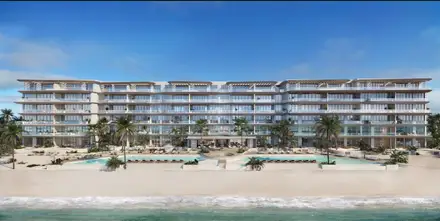
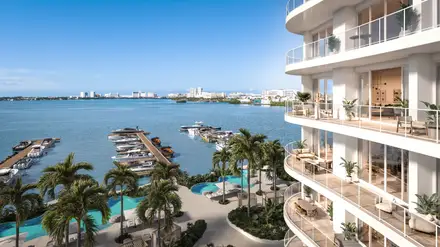
- Branded and semi-branded residences: projects like The Residences at St. Regis, La Amada, Dhamar, and Mistral are built around resort-style amenities and, in several cases, rental management tied to the hotel brand.
- Lower density than the Hotel Zone: the master plan caps building heights and preserves mangrove and dune areas, which appeals to buyers who find the older Hotel Zone too congested.
The trade-offs worth naming
Costa Mujeres is still, in large part, a resort and condo-hotel corridor rather than an organic town. That has real implications:
- Day-to-day local infrastructure — grocery stores, schools, casual restaurants outside the resorts — is thinner here than in Playa del Carmen or established parts of Cancún, though it's expanding as more residential product comes online.
- Much of the inventory is condo-hotel or branded-residence product with mandatory or semi-mandatory rental programs and higher HOA fees than a standalone condo, which suits investors more than buyers wanting full personal control of their unit.
- Beachfront land here sits within Mexico's restricted coastal zone, so ownership runs through a fideicomiso (bank trust) just like the rest of the coast — no different legally, but worth confirming for any given project since some parcels started as concession land.
- As a newer corridor, it carries typical early-stage-market risk: pre-construction timelines can slip, and the surrounding infrastructure (roads, utilities) is still catching up to the pace of hotel openings.
If you're drawn to Costa Mujeres for the branded-residence appeal, ask specifically how the rental program splits revenue, who controls the calendar, and what happens if you want to use the unit yourself during high season.
How pricing compares to the Hotel Zone and Playa del Carmen
Because Costa Mujeres is newer and positioned at the luxury end, its per-square-meter pricing tends to sit closer to the Hotel Zone's high-end towers than to comparable product in Playa del Carmen or Puerto Aventuras. Buyers chasing a lower entry price point generally won't find it here — the corridor's whole positioning is upscale, resort-branded, and new-construction, which shows up directly in the price tag. That's a reasonable trade if new construction and brand-name management are priorities; it's a less reasonable one if affordability is the main driver.
The bigger picture: a corridor still being built
It's worth remembering that Costa Mujeres is, structurally, a long-term master plan rather than a finished product — comparable in spirit to how Cancún's Hotel Zone itself took decades to reach its current density. Early buyers in a corridor like this are effectively underwriting the area's future build-out alongside the hotel brands themselves. That can pay off well if the plan executes on schedule, but it also means doing more diligence on a developer's specific permits, completed track record, and financing than you might in an established neighborhood where the infrastructure question is already settled.
Who it fits
Costa Mujeres suits buyers who want new construction, resort-grade amenities, and a quieter beach than the Hotel Zone, and who are comfortable with a rental-program structure rather than fully independent ownership. It's less suited to buyers who want an established, walkable local community right now — that's still a few years out.
Q: Is Costa Mujeres part of Cancún, or a separate destination?
A: It's administratively part of Cancún's municipality (Benito Juárez), just north of the traditional Hotel Zone, and is usually marketed as its own corridor because of its distinct master plan and lower density.
Q: How far is Costa Mujeres from Cancún International Airport?
A: Roughly 30–40 minutes by car depending on traffic and the exact property location — a bit farther than the southern Hotel Zone, but manageable.
Q: Are these mostly investment properties, or can you live there full-time?
A: Both exist, but the current mix leans toward vacation and investment ownership; full-time residents are still a smaller share compared to Playa del Carmen or Puerto Aventuras.
Costa Mujeres is moving fast, and the projects worth buying into aren't always the ones with the flashiest brand name attached. Top Listings Riviera Maya can help you evaluate specific developments here on their real terms — call +44 7513 075054 before you sign anything at a sales presentation.
This article is general information to help you understand buying property in Mexico — not legal, tax or financial advice. Rules change; always confirm the details for your situation with a Mexican notary, lawyer or accountant. Robin can introduce you to trusted professionals.