
Isla Mujeres: A Quieter Island Option Near Cancun


Isla Mujeres gets pitched as "Cancún, but calmer," and that's mostly fair — but it's worth understanding exactly what you're trading and gaining before treating it as a straightforward substitute. Here's an honest look at the island for buyers weighing it against the mainland Riviera Maya.
The basics
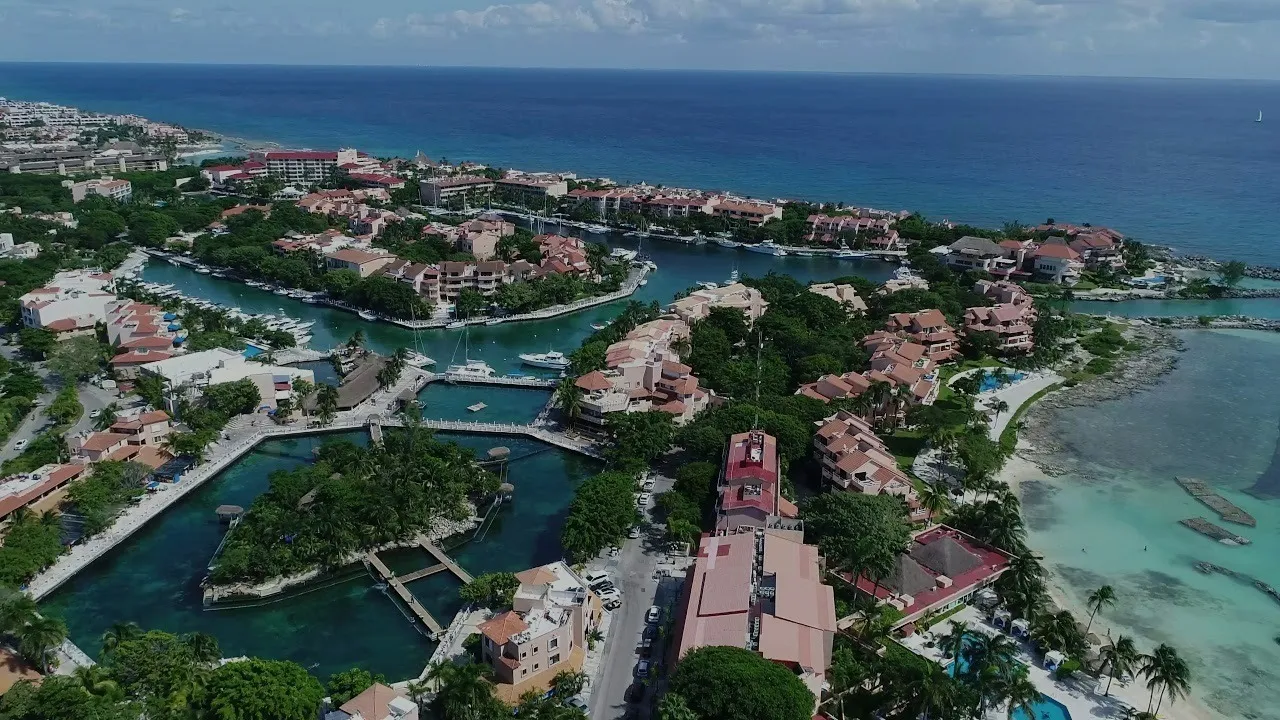
Isla Mujeres sits about 13 kilometers off Cancún, a 20-minute passenger ferry ride from either Puerto Juárez or the Zona Hotelera terminals. Unlike Holbox, it has paved roads and permits regular cars alongside the golf carts that many residents and visitors prefer for getting around. The island is small — roughly 7 kilometers long and under 1 square kilometer in developable land in places — which keeps a lid on how much new supply can ever come to market.
El Centro, the main town, has a walkable, small-town feel with local restaurants, shops, and a genuine year-round Mexican community rather than a purely tourist bubble. Playa Norte, on the island's northern tip, consistently ranks among the region's best beaches thanks to its calm, shallow, turquoise water. Punta Norte and the areas near Sac Bajo carry the island's higher-end, bay-view and beachfront properties.
Pricing snapshot
Area | Typical property type | Approximate price range (USD) |
Zona Centro | Condos, restored colonial homes | From roughly $350,000–$700,000 |
Sac Bajo / Garrafón | Mid-luxury, bay views | Roughly $300,000–$1.2M |
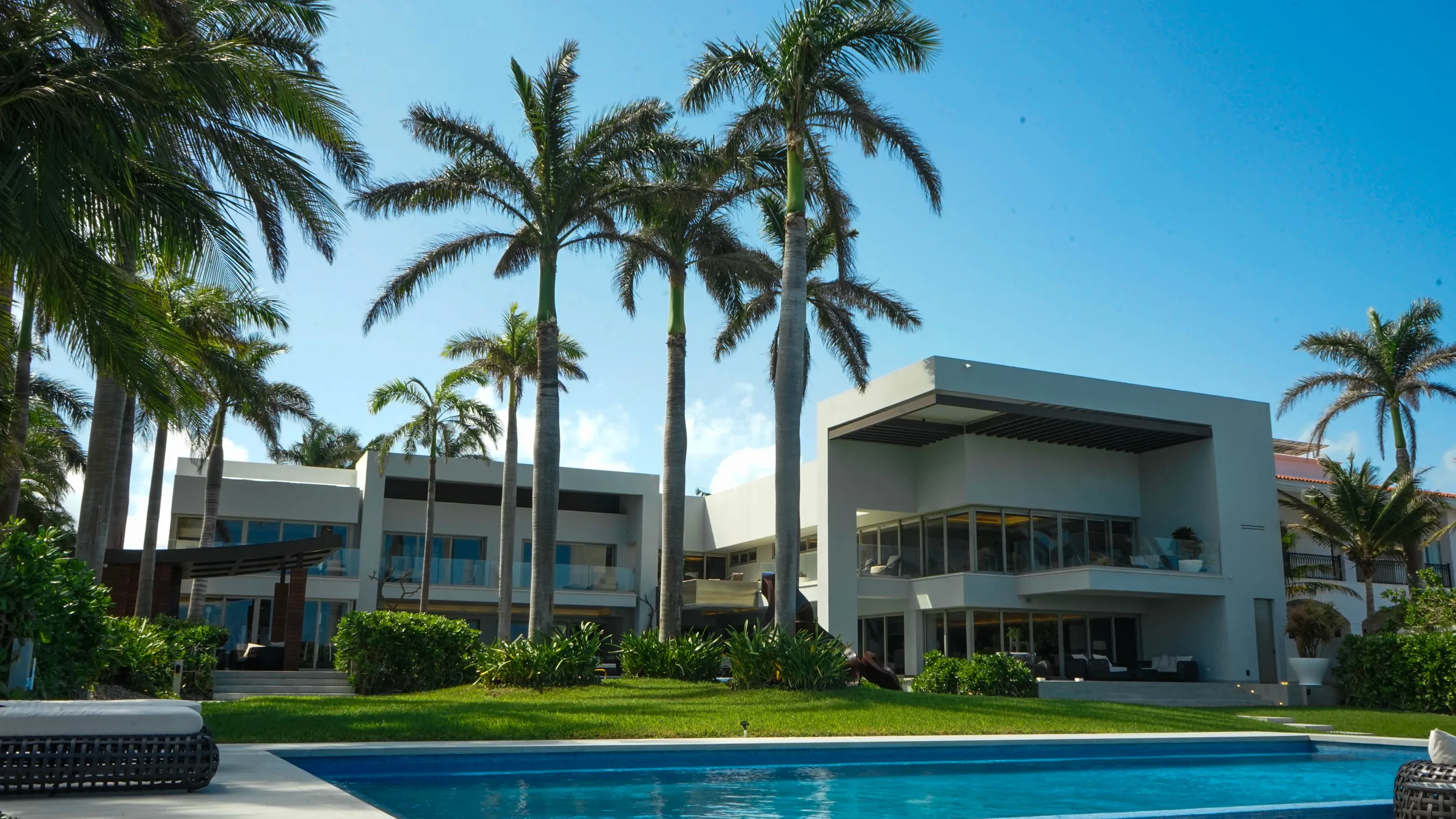
Punta Norte | Beachfront villas, branded residences | $1.5M and up |
Inland / entry-level | Smaller condos | From around $120,000 |
These are broad, researched ranges rather than fixed prices — actual listings vary a lot by condition, view, and how recently a building was finished.
What you gain versus the mainland
- Genuine calm: no highway traffic, far less construction noise than Tulum's growth corridors.
- Proximity to Cancún's international airport and hospital network — you're 20 minutes by ferry from big-city infrastructure, which is a meaningful safety net for retirees.
- A tight-knit, walkable community that many buyers find easier to integrate into than a sprawling mainland town.
What you give up
- Everything depends on the ferry. There's no bridge, so weather delays, schedule changes, or a missed last boat are part of life here.
- Midday day-tripper crowds from Cancún can make the town center and Playa Norte feel busy for a few hours, even though evenings are quiet.
- Limited land means limited new construction — good for appreciation, but it also means less choice and typically a price premium per square meter compared to comparable mainland product.
If you're deciding between Isla Mujeres and a mainland location, spend at least a few nights actually staying overnight on the island — not just a day trip — since the rhythm changes completely once the last ferry crowd clears out.
Schools, healthcare, and everyday services
Isla Mujeres has a handful of bilingual and Mexican public schools, but the selection is smaller than Playa del Carmen or Cancún, so families with school-age kids often weigh that trade-off carefully against the island's calmer pace. Basic medical clinics and pharmacies cover routine needs on the island itself, while anything more serious — specialist care, major procedures, or emergencies — means a ferry crossing to Cancún's larger private hospitals, which is quick but still an extra step compared to living directly in Cancún or Playa del Carmen.
Day-to-day shopping covers the essentials well: there are supermarkets, produce markets, and a reasonable range of restaurants and services in El Centro, though large-format shopping (electronics, furniture, bulk retailers) still generally means a ferry trip to the mainland. Most long-term residents describe this as a manageable rhythm rather than a real hardship, but it's worth experiencing firsthand before assuming it will fit your routine.
Rental market considerations
Isla Mujeres benefits from strong, steady demand tied to its reputation as one of the region's best short beach getaways, and Playa Norte's consistent ranking among top beaches globally helps keep visibility high. That said, the small overall inventory means a given property's rental performance is more sensitive to its specific location and condition than in a larger market with hundreds of comparable listings — a strong track record for one building doesn't automatically apply to a similar-looking one a few streets over.
Q: Do I need a golf cart, or can I bring a car?
A: Cars are allowed and useful for hauling groceries or moving, but most residents find a golf cart or scooter is enough for daily life given the island's size.
Q: Is Isla Mujeres good for full-time retirement living, or mainly a vacation spot?
A: Both work well. The island has a stable expat retiree population, though anyone with significant mobility or ongoing medical needs should factor in the ferry dependency for hospital visits.
Q: How does the ferry affect property values or rental demand?
A: It hasn't hurt demand — if anything, the exclusivity of ferry-only access supports pricing — but it's a genuine daily-life consideration that buyers should experience firsthand before purchasing.
Isla Mujeres rewards buyers who actually want island living, not just island views. If you'd like a side-by-side comparison against similarly priced mainland properties, Top Listings Riviera Maya can put that together — call +44 7513 075054 to get started.
This article is general information to help you understand buying property in Mexico — not legal, tax or financial advice. Rules change; always confirm the details for your situation with a Mexican notary, lawyer or accountant. Robin can introduce you to trusted professionals.